How Often to Replace Roof? A Practical Homeowner’s Guide
How often to replace roof depends on the material, age, condition, and repair history. This guide explains when to replace a roof, what signs to watch for, and how to make a smart replacement decision.
How often to replace roof is a common question, but the real answer depends on the material, the installation quality, your local weather, and the condition of the roof today.
Most homeowners are not really asking about a number. They want to know whether their roof still has life left, whether a repair is enough, and whether waiting could turn a manageable issue into a much bigger expense. If you are wondering when to replace roof, this guide will help you look at age, damage, materials, and long-term value in a clear way.
The average lifespan of a roof depends on what it is made of
The average lifespan of a roof is not the same for every home. In many residential properties, asphalt shingles are the most common system, and that is usually where the conversation starts.
How long does a roof last by material?
- Asphalt shingle roofs: often around 20 to 30 years, depending on whether they are basic 3-tab shingles or higher-quality architectural shingles
- Metal roofs: often 40 to 70 years with proper installation and maintenance
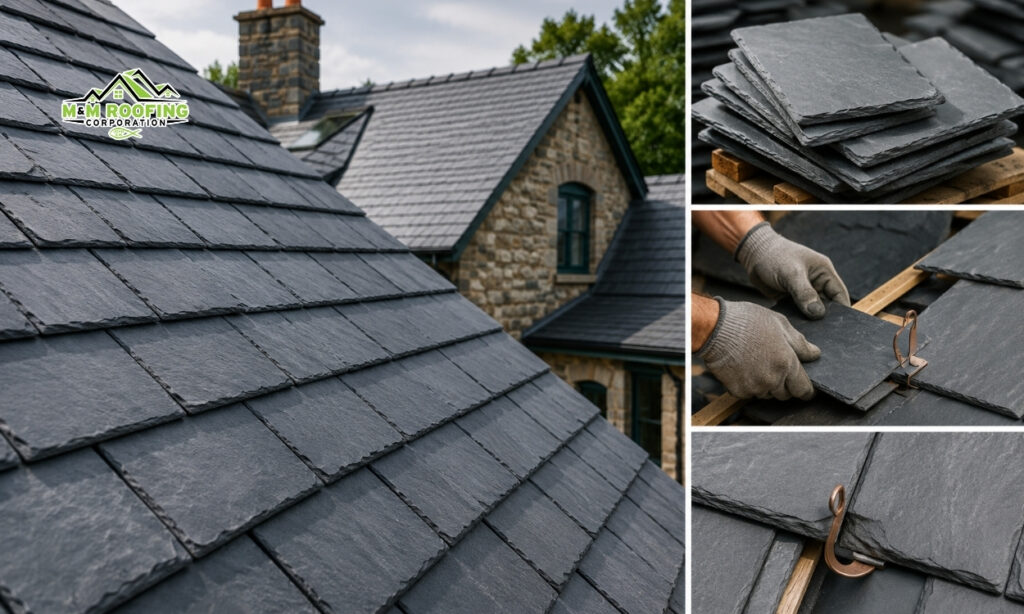
- Tile and slate roofs: can last much longer, but underlayment and flashing may still need attention earlier
That is why roof replacement frequency should never be based on age alone. A 22-year-old roof that was installed well and maintained properly may still perform better than a 15-year-old roof with recurring leaks, poor ventilation, or storm damage.
When to replace roof instead of patching it again
There is a point where repairs stop being cost-effective. If you are constantly fixing the same areas, the question is no longer just how long the roof can last. It becomes should I repair or replace my roof?
Common signs you need a new roof include:
- Curling, cracked, or missing shingles
- Repeated leaks or water stains in the attic or ceilings
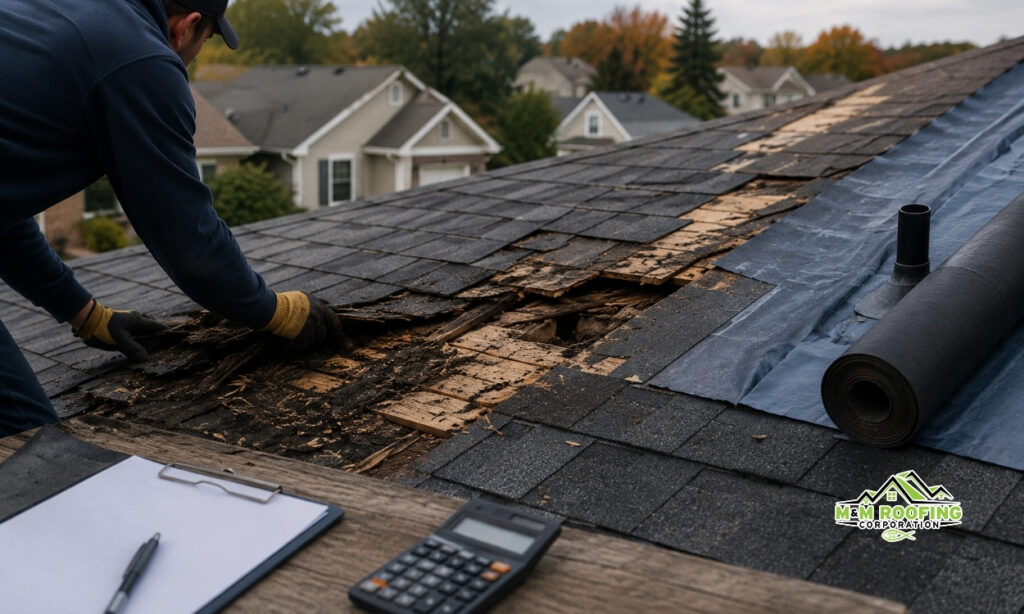
- Soft spots, sagging areas, or visible decking issues
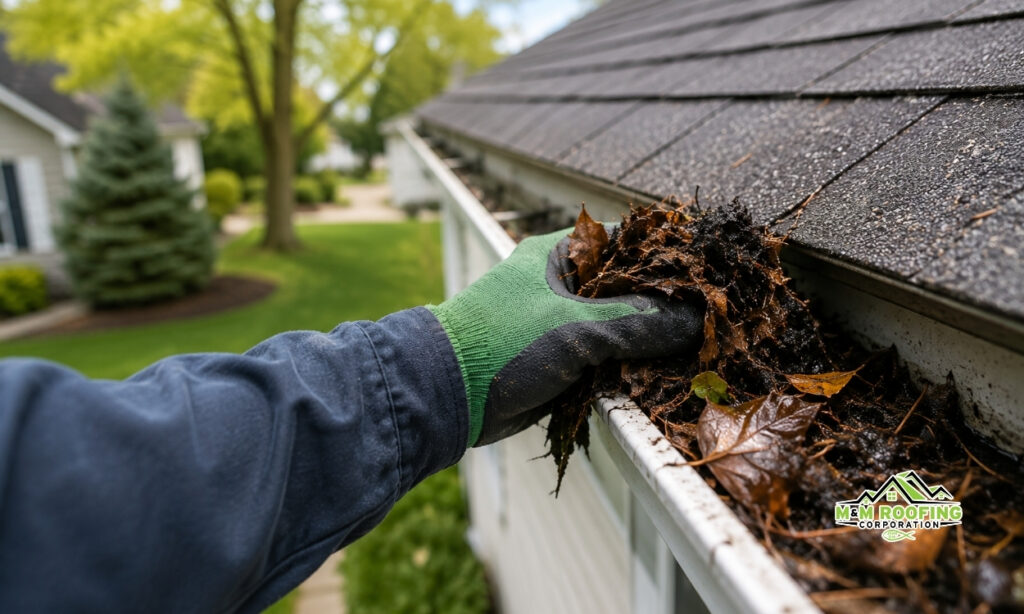
- Granule loss collecting in gutters
- Storm damage that affects multiple sections
- A roof that is already near the end of its expected lifespan
If you are unsure how to tell if your roof needs replacing, a professional inspection is the smartest next step. A trusted roofer can separate cosmetic wear from problems that affect the whole system. That is especially important if your home has already gone through strong winds, heavy rain, or seasonal freeze-thaw cycles.
For homeowners who want a clearer answer before problems spread, schedule a professional roof replacement assessmentand get a realistic view of condition, urgency, and options.
Age of roof vs replacement: why timing matters
The age of roof vs replacement decision is about risk. A roof does not usually fail all at once. It declines in layers. Flashing weakens, sealants dry out, shingles lose protective granules, and moisture starts finding small entry points.
Waiting too long can lead to interior damage, insulation issues, mould growth, and higher repair bills. Replacing at the right time often protects the rest of the property and gives you more control over budget and material choices.
How long do asphalt shingle roofs last compared with metal?
A lot of homeowners compare materials only when replacement becomes unavoidable. That is the right time to ask better questions, including how long do asphalt shingle roofs last and how long do metal roofs last compared to shingles.
Asphalt shingles are still popular because they are practical, widely available, and more budget-friendly upfront. Metal roofs usually cost more at installation, but they can deliver longer service life and lower replacement frequency over time. The best roofing materials for longevity depend on your home, climate, aesthetic goals, and how long you plan to stay in the property.
If you are already facing replacement, this is the right moment to explore roof replacement options with a local roofing contractor instead of simply matching what was there before.
Cost, insurance, and resale value in 2026
The cost to replace a roof in 2026 can vary widely depending on roof size, pitch, tear-off needs, ventilation upgrades, and the material you choose. For many homes, the final number is shaped just as much by workmanship and scope as by shingles alone.
Another common question is: does homeowners insurance cover roof replacement? Sometimes yes, but usually only when the damage comes from a covered event such as hail, wind, or a fallen tree. Insurance typically does not cover old age, neglect, or normal wear and tear.
Timing also matters if you are replacing roof before selling house. An aging roof can make buyers hesitate, trigger inspection issues, or weaken negotiations. A newer roof can improve buyer confidence and reduce one of the biggest objections during a sale.
A simple rule of thumb for roof replacement frequency
If your roof is approaching the expected end of its service life, showing repeated issues, or costing you more in ongoing repairs, it is time to stop guessing and get it evaluated properly.
A good roof replacement decision is not based on panic. It is based on condition, age, performance, and what makes financial sense for the years ahead. If you want a practical recommendation tailored to your home, get expert guidance on roof replacement from M&M Roofing Corp before small warning signs turn into major damage.
Need help with your roof?
Reading a guide is helpful, but every home is different. Contact M&M Roofing Corp for roofing, gutters, siding or exterior service in New Jersey.